
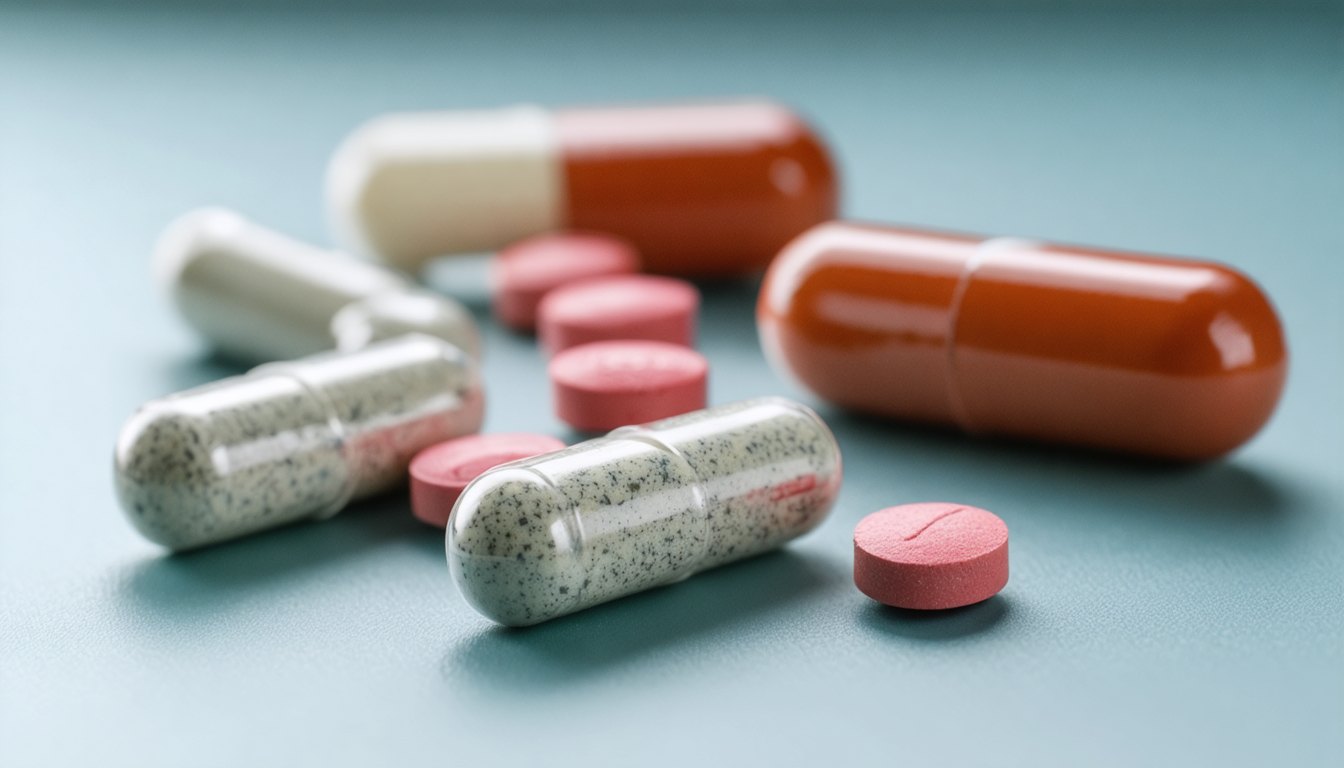
Impotence medication — answers to the main questions
Disclaimer: This article is for informational purposes only and does not replace consultation with a qualified healthcare professional. Always speak with a doctor before starting or changing any treatment for erectile dysfunction.
Frequently asked questions (FAQ block at the beginning)
What is impotence medication?
Impotence medication refers to prescription drugs used to treat erectile dysfunction (ED), a condition where a man has difficulty achieving or maintaining an erection sufficient for sexual activity. The most common medicines belong to a group called PDE5 inhibitors. They improve blood flow to the penis when combined with sexual stimulation.
Why does erectile dysfunction happen?
ED can result from physical causes (such as diabetes, high blood pressure, heart disease, or hormonal imbalance), psychological factors (stress, anxiety, depression), or a combination of both. Lifestyle habits like smoking, obesity, and lack of exercise also contribute. Age increases risk, but ED is not an inevitable part of aging.
How do impotence pills work?
Most first-line ED drugs (e.g., sildenafil, tadalafil, vardenafil, avanafil) relax blood vessels and enhance blood flow to the penis. They do not create sexual desire on their own. Sexual stimulation is still required for an erection to occur.
Are impotence medications safe?
For many men, these medications are safe when prescribed appropriately. However, they can interact with certain heart medications, especially nitrates. A medical assessment is essential to evaluate cardiovascular risk and potential drug interactions.
What are the common side effects?
Typical side effects include headache, facial flushing, nasal congestion, indigestion, and mild visual disturbances. Most are temporary and mild. Severe chest pain, sudden vision loss, or an erection lasting more than four hours require urgent medical attention.
When should I see a doctor about ED?
If erectile problems persist for more than a few weeks, occur frequently, or affect your relationship or self-esteem, consult a healthcare provider. ED can be an early sign of cardiovascular disease. Early evaluation may help detect and manage underlying conditions.
Is it possible to treat impotence without medication?
Yes. Lifestyle changes, psychological counseling, vacuum erection devices, and treatment of underlying medical issues may improve symptoms. In some cases, hormone therapy or surgical options are considered.
Can younger men take impotence medication?
ED can occur at any age. Younger men should not self-medicate; they need medical evaluation to rule out psychological causes, hormonal imbalance, or systemic illness. Prescription treatment may be appropriate if clinically indicated.
How quickly do ED medications work?
Depending on the specific drug, effects may begin within 15–60 minutes. Duration varies from several hours to more than 24 hours. The timing depends on the medication type, dose, food intake, and individual response.
Can I take impotence medication daily?
Some formulations are designed for daily low-dose use, while others are taken as needed. The choice depends on frequency of sexual activity, health status, and physician recommendation. Never change dosing without medical advice.
Are online impotence medications safe?
Only purchase ED drugs from licensed pharmacies with a valid prescription. Counterfeit medications sold online may contain harmful or incorrect ingredients. Regulatory agencies warn that unverified products pose serious health risks.
Does impotence medication cure erectile dysfunction permanently?
Most medications manage symptoms rather than cure the underlying cause. Long-term improvement depends on treating contributing factors such as cardiovascular disease, diabetes, or psychological stress.
Detailed breakdown
1. Main types of erectile dysfunction treatment
The first-line therapy for most men is oral PDE5 inhibitors. If these are ineffective or contraindicated, alternatives include:
- Vacuum erection devices
- Intracavernosal injections
- Intraurethral suppositories
- Hormone therapy (in confirmed testosterone deficiency)
- Penile implants (surgical option)
You can read more about digital health communication in our section Ukázka našich projektů, where we present examples of medical information platforms.
2. Causes and risk factors behind ED
Understanding the root cause is key. Cardiovascular disease, atherosclerosis, diabetes, obesity, metabolic syndrome, neurological disorders, pelvic surgery, and certain medications can impair erectile function. Psychological contributors include performance anxiety and depression.
Because penile blood vessels are small, ED may precede heart symptoms by several years. That is why doctors often consider ED an early cardiovascular warning sign.
3. Safety considerations and contraindications
Men who take nitrates for chest pain must not use PDE5 inhibitors due to the risk of severe hypotension. Caution is also required in patients with recent stroke, unstable angina, severe heart failure, or uncontrolled blood pressure. A complete medication review is necessary before prescribing impotence medication.
4. Lifestyle modifications that enhance treatment results
Regular physical activity, weight reduction, smoking cessation, limiting alcohol, and managing stress significantly improve erectile health. Treating sleep apnea and optimizing blood sugar in diabetes also improve outcomes. Medication works best when combined with healthy lifestyle changes.
5. Psychological and relationship aspects
Sex therapy or counseling can be highly beneficial, especially when anxiety or relationship issues contribute to ED. Combining medical therapy with psychological support often provides the most sustainable results.
For updates on professional healthcare communication and awareness initiatives, follow Sledujte naše novinky na Linkedin.
Checklist: what you can do today
- Schedule a medical check-up if ED persists.
- Monitor blood pressure, cholesterol, and blood sugar.
- Increase physical activity (e.g., brisk walking).
- Stop smoking and reduce alcohol consumption.
- Improve sleep quality.
- Manage stress through relaxation techniques.
- Avoid buying prescription drugs from unverified websites.
- Discuss all current medications with your doctor.
- Consider counseling if anxiety or depression is present.
- Communicate openly with your partner.
When to seek help: urgency guide
| Symptom / Situation | Urgency level | Where to seek help |
|---|---|---|
| Erectile problems lasting more than 3 months | Moderate | Primary care physician or urologist |
| ED with chest pain or shortness of breath | High | Emergency medical services |
| Erection lasting more than 4 hours (priapism) | Emergency | Emergency department immediately |
| Sudden vision or hearing loss after taking medication | Emergency | Emergency department |
| Occasional mild difficulty during stress | Low | Discuss at routine doctor visit |
Sources
- American Urological Association (AUA) — Erectile Dysfunction Guidelines
- European Association of Urology (EAU) — Guidelines on Sexual and Reproductive Health
- National Institute of Diabetes and Digestive and Kidney Diseases (NIDDK) — Erectile Dysfunction
- National Health Service (NHS) — Erectile dysfunction (impotence)
- U.S. Food and Drug Administration (FDA) — Safety information on PDE5 inhibitors
- World Health Organization (WHO) — Cardiovascular disease fact sheets